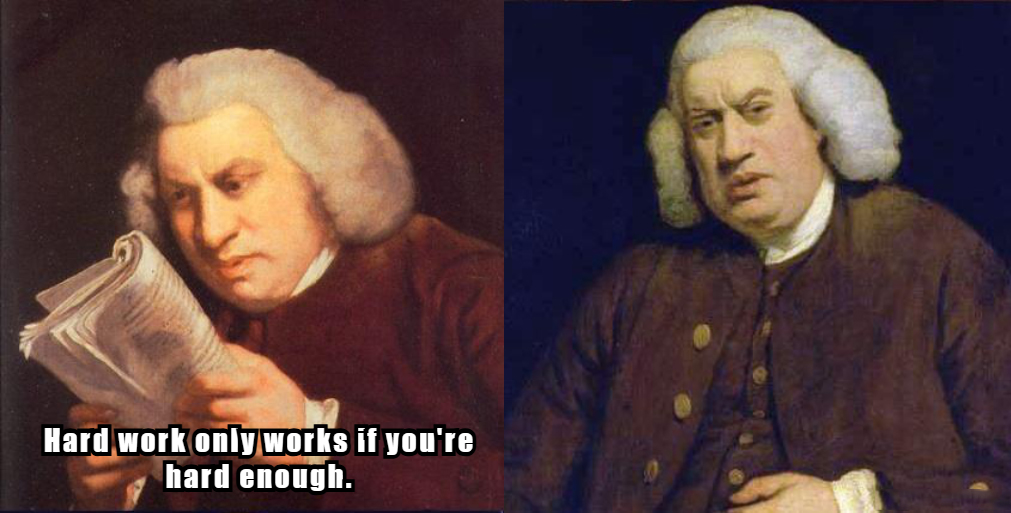
We’ve all been sold the same shiny lie: “If you work hard, you’ll succeed.” Ah, the core belief of meritocracy. The idea that life is a fair race where everyone starts at the same line, armed with nothing but grit, determination, and maybe a motivational TED Talk. But let’s take a closer look – does meritocracy really work?
Meritocracy’s Level Playing Field (or Lack Thereof)
First things first, meritocracy assumes the playing field is level. But if life is a game, some people are playing on a meticulously manicured golf course while others are stuck on an uphill mudslide with one broken sandal. Factors like socio-economic background, race, gender, and even pure dumb luck shape our chances of success. And yet, we’re told that hard work alone is the magic key. Sure, and next you’ll tell me that eating salad is the secret to immortality.
Luck: The Secret Ingredient They Don’t Talk About
Let’s talk about everyone’s favorite unsung hero: luck. You know, that sneaky little force that drops billion-dollar ideas in some laps while others are still fumbling with their morning coffee. The self-made millionaire narrative often glosses over luck, like an awkward relative at family gatherings. Did you know that Bill Gates attended a high school with a computer in 1968 – a time when most schools didn’t even have calculators? That’s like being the only kid with a jetpack in a bicycle race.
A 2018 study published in Science confirmed what we already knew deep down: luck is a massive factor in success. You can hustle 24/7, but if you miss the one big opportunity that comes your way – or worse, never even get one – you’re just spinning your wheels. So, while you’re out there ‘grinding,’ someone else is casually landing their dream opportunity during a chance conversation at a yacht party. Meritocracy? More like a game where some people start on the deck with champagne in hand.
Privilege vs. Hard Work: The Game is Rigged
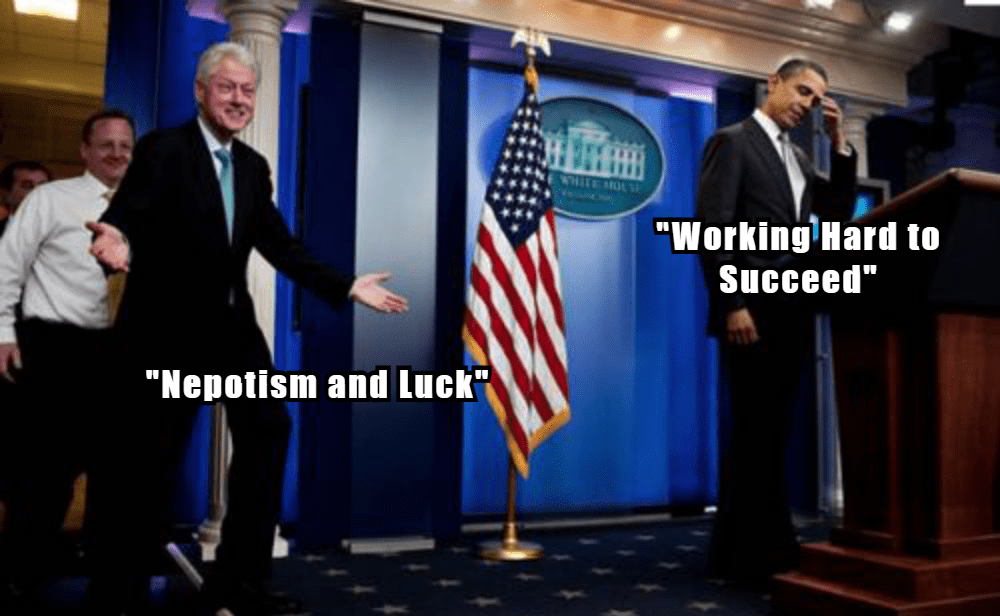
Here’s the thing: hard work does matter, but let’s not pretend it’s enough to level the playing field. Privilege works like a cheat code in the game of life. Two people can work equally hard, but the one with access to private tutors, exclusive schools, and a trust fund is going to win every time. It’s like running a marathon where some people start on mile 20, others are told to run backward, and a select few get to ride in a golf cart with bottled water and a personal cheer squad. Sure, everyone’s technically running, but let’s not act like the race is remotely fair.
Sociologist Pierre Bourdieu famously coined the term “cultural capital,” which refers to the non-financial perks in life—like elite education, social connections, and knowing when to pronounce the “t” in “croissant” without sounding ridiculous. It’s the invisible currency that turns hard work into actual opportunities. Basically, privilege is the secret sauce that makes someone’s hard work taste like a gourmet meal, while everyone else is stuck eating instant noodles.
The “Bootstraps” Illusion
Ah, the beloved “pull yourself up by your bootstraps” cliché. But what if you don’t even have boots? What if your boots were repossessed because of systemic inequality and the laces were auctioned off to someone born into a better zip code? This narrative assumes everyone starts from the same place, ignoring the massive disparities in access to education, healthcare, and basic opportunities. If meritocracy were real, we wouldn’t have billionaires and baristas coexisting on the same planet, both working 40 hours a week.
The Winners Rewrite the Rules
Here’s the best part about meritocracy: once you make it to the top, you get to rewrite the rules! If you’re in a position of power, why wouldn’t you tweak the system to keep yourself there? The rich hoard opportunities for their kids (hello, legacy admissions), lobby for tax breaks, and fund policies that keep the ladder pulled up behind them. And just like that, meritocracy becomes a clever marketing slogan for maintaining the status quo.
Daniel Markovits, in his book The Meritocracy Trap, calls out this exact problem. The wealthy hoard “meritocratic” opportunities to stay ahead, while the rest of us get stuck in an endless cycle of trying to “work harder.” Meritocracy? More like a well-dressed pyramid scheme.
Markovits argues that this so-called meritocracy doesn’t just perpetuate inequality – it actively deepens it. According to him, the elite class invests heavily in exclusive education and career paths, creating a bottleneck where only a select few can thrive. These investments are not just about ensuring success; they’re about manufacturing an illusion of merit. Meanwhile, the middle and lower classes are encouraged to buy into the meritocratic myth, pouring time, money, and energy into an endless rat race. The result? A society where upward mobility is not just rare – it’s nearly impossible, with each generation more entrenched in their socioeconomic stratum than the last. Essentially, meritocracy isn’t about equal opportunity; it’s about maintaining power under the guise of fairness.
So, Is Meritocracy Dead?
Not quite. It’s more like meritocracy is that coworker who’s technically doing their job but cutting a lot of corners. Hard work and talent still matter, but they’re not the whole picture. Luck, privilege, and access play starring roles in this drama, while hard work gets stuck with a minor supporting role.
If we really want to believe in meritocracy, we need to stop pretending it’s already here. The system is rigged in favor of those who were lucky enough to win the genetic or societal lottery. Instead of preaching the gospel of “just work harder,” maybe we should focus on creating a system that truly offers equal opportunities – like, say, giving everyone the same pair of boots to start with.
Because let’s face it: if meritocracy worked as advertised, we’d all be successful. And the rest of us wouldn’t be stuck pulling up non-existent bootstraps while watching someone else cruise to the finish line on a golden escalator.
 THE CONTRARIAN PRESS
Leave a comment